
Tarpanam in Varanasi: Where, When & How to Perform It in Kashi (2026 Guide)
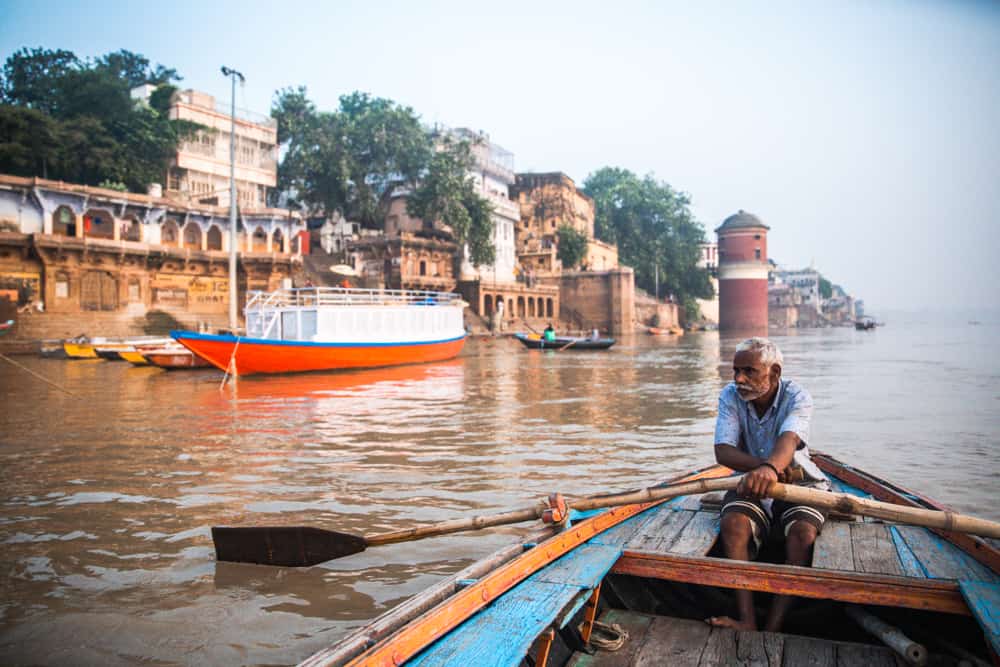
Short answer: Tarpanam (tarpan) is the ritual offering of water — often mixed with black sesame — to one's ancestors (pitru). In Kashi (Varanasi), it is considered especially powerful and is most often performed on the Ganga ghats, at Pishach Mochan Kund, and at the Triveni Sangam in Prayagraj. It is done daily by many, and by most families during Pitru Paksha (the fortnight of the ancestors) and on Amavasya.
This is a subject to treat with care, not marketing. Below is a clear, respectful explainer so you can plan the ritual properly — and, if you wish, let us handle only the logistics (a knowledgeable driver, a pre-arranged pandit and an unhurried schedule) so the family can focus on the rite.
Tarpanam vs pind daan vs shraddha — the difference
- Tarpanam: offering water (with sesame, kusha grass and mantras) to satisfy the ancestors. Can be performed frequently, especially during Pitru Paksha.
- Pind Daan: offering pindas (rice-and-barley balls) for the liberation of the departed soul — the rite Gaya, Kashi and Prayagraj are famous for.
- Shraddha: the broader annual ceremony honouring ancestors, of which tarpan and pind daan are parts.
Families often perform all three together over a short pilgrimage. If that is your intent, our Pind Daan package and pilgrimage tours are built exactly for this, with pre-arranged pandas and a driver who understands the sequence.
Best places for tarpanam in Varanasi
The Ganga ghats
The most common setting. Manikarnika and the ghats around it carry deep significance, while quieter ghats suit an early-morning tarpan away from crowds. A pandit will guide the sankalp, direction and mantras.
Pishach Mochan Kund
A revered tirtha in Varanasi associated specifically with rites for ancestors and the release of troubled souls (tripindi shraddha). Many families come here specifically for this purpose.
Triveni Sangam, Prayagraj
The confluence of the Ganga, Yamuna and the mythical Saraswati is among the holiest places for tarpan and snan. It is an easy day trip from Varanasi and is often combined with the Kashi rites.
When to perform tarpanam: Pitru Paksha
Pitru Paksha — the 16-day lunar fortnight dedicated to ancestors — is the traditional period, ending on Sarva Pitru Amavasya. It falls in September–October (dates shift each year with the Hindu calendar; confirm the exact tithi for 2026 with your pandit). Amavasya days and Akshaya Tritiya are also considered auspicious for tarpan through the year.
What to prepare
- Black sesame (til), kusha grass, and a copper vessel — a pandit usually arranges these.
- Fasting or sattvic food as your tradition prescribes.
- Simple, clean clothing; the eldest son or a designated family member typically performs the rite.
- An unhurried morning — the ghats are calmest and cleanest early.
How Varanasi On Wheels helps — quietly
We do not perform or sell rituals. We remove the logistics so a grieving or busy family need not think about them: a punctual, respectful driver who knows the ghats and darshan timings, coordination with a pre-arranged, experienced panda, and a calm vehicle that waits as long as you need. Many families combine Kashi tarpan with Prayagraj and Gaya over 3–5 days — our specialist pilgrimage drivers handle that circuit gently. Explore the Varanasi–Gaya–Prayagraj Pind Daan tour or speak to us for a custom plan.
Frequently asked questions
1. What is tarpanam and why is it done in Varanasi?
Tarpanam is the ritual offering of water to one's ancestors. Varanasi (Kashi) is one of the holiest places to perform it, believed to bring peace to the departed, especially during Pitru Paksha and on Amavasya.
2. What is the difference between tarpanam and pind daan?
Tarpanam is the offering of water to satisfy ancestors and can be done frequently; pind daan is the offering of rice-and-barley pindas for the soul's liberation. Families often perform both together during a short pilgrimage.
3. Where in Varanasi is tarpanam performed?
Most commonly on the Ganga ghats, at Pishach Mochan Kund (associated with rites for ancestors), and at the Triveni Sangam in nearby Prayagraj.
4. When is Pitru Paksha in 2026?
Pitru Paksha is a 16-day fortnight in September–October ending on Sarva Pitru Amavasya. The exact tithis shift each year with the Hindu calendar, so confirm the 2026 dates with your pandit before booking.
5. Can you arrange a pandit and cab for the rituals?
We arrange the logistics — a respectful driver who knows the ghats, coordination with a pre-arranged experienced panda, and an unhurried vehicle — so your family can focus entirely on the rite. We do not perform the rituals ourselves.
Planning tarpan or pind daan in Kashi? Let us handle the travel with dignity. Call or WhatsApp +91 78006 64900, or see the Pind Daan package.
Book Your Varanasi Trip Today
Need a tempo traveller, cab, or luxury bus for your Varanasi pilgrimage? Varanasi On Wheels offers 24/7 service with transparent pricing.